

Doula vs Midwife: What's the Difference and Which Is Right for You?
Unsure about doula vs midwife? Get a quick, clear guide to help you choose the right support for your birth experience at Birthing Center NYC.

When you're expecting, it's easy to get lost in the sea of advice, but one question keeps coming up: What's the difference between a doula vs midwife? Both are essential players in your birth team, but their roles are quite different. You might be wondering: Do I need both? Which one is the right fit for me? We're here to break it down and help you understand how each professional can make your birth experience smoother, more empowering, and exactly what you've been dreaming of.
At Birthing Center NYC, we specialize in natural, low-intervention births in a supportive environment. Whether you choose a doula, a midwife, or both, we'll guide you through every step of your journey to make sure you feel confident, prepared, and cared for.
What Is a Doula?
A doula provides essential non-medical support during pregnancy, labor, and the postpartum period. While they don't provide medical care, doulas offer emotional, physical, and informational support to ensure you feel empowered throughout your birth experience. Many parents find that hiring a doula helps make labor and birth smoother and more manageable.
Training & Certification
Although a doula doesn't require medical training, many are certified by organizations such as DONA International. Certification means they're trained to support you with comfort measures, breathing techniques, and doula care. Some doulas also specialize in postpartum doula care, offering guidance and support after your baby is born.
Typical Services
A doula can provide:
Statistics & Impact
Studies show that having a doula at your birth can lead to shorter labor, fewer interventions, and a more positive birth experience. In fact, around 6% of birthing women report using a doula for support. The emotional and physical benefits can make all the difference.
Typical Doula Tasks

What Is a Midwife?
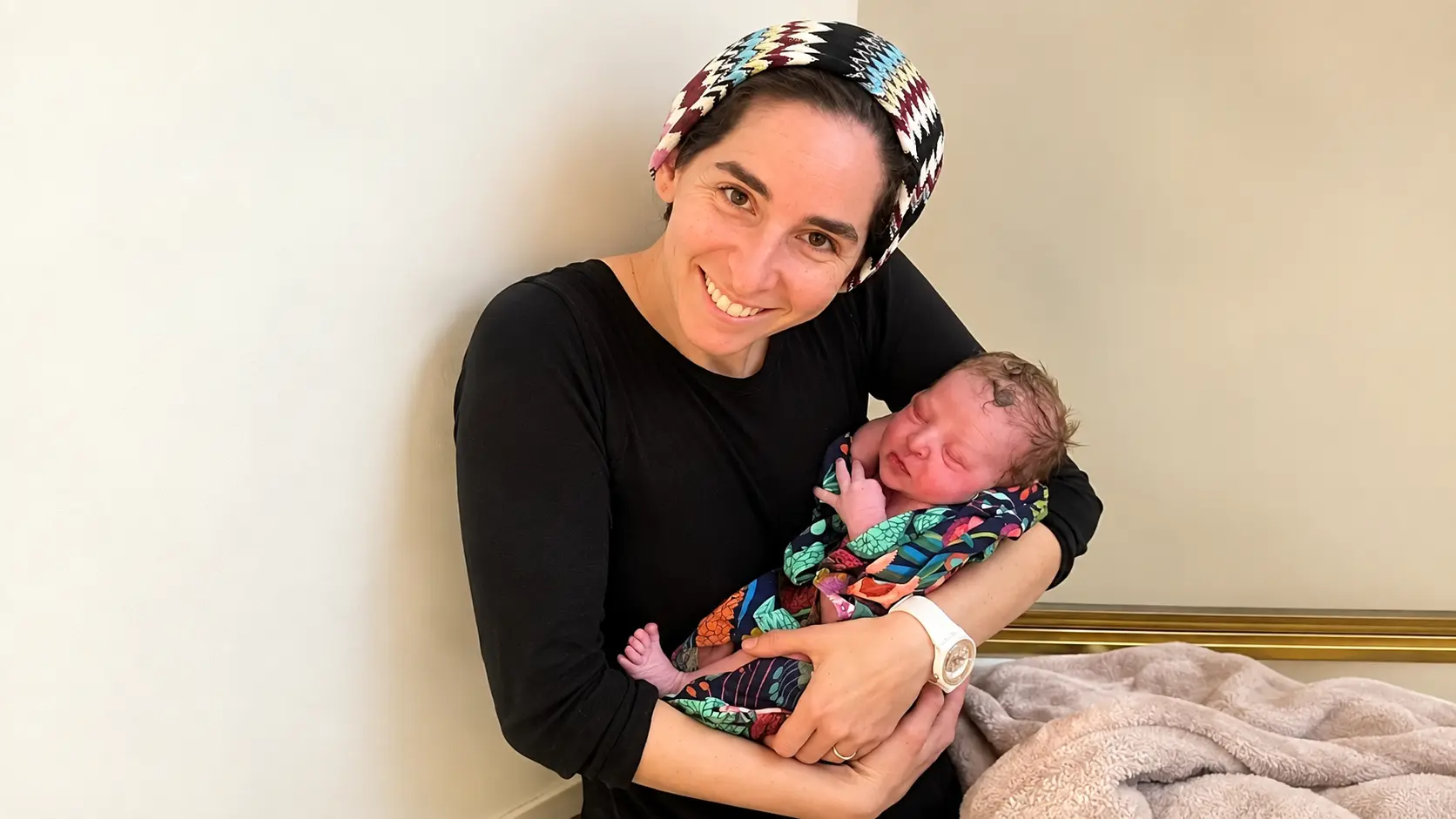
A midwife is a trained medical professional who provides expert care throughout pregnancy, birth, and the postpartum period. Unlike a doula, who offers emotional and physical support, a midwife manages your medical care during labor and delivery. If you're looking for a natural birth with the reassurance of medical expertise, choosing a midwife can be a great option.
Training, Licensing & Credentials
Midwives are highly trained and must be licensed to practice. Certified Nurse Midwives (CNM) and Certified Midwives (CM) undergo rigorous education and certification. They have medical training in prenatal exams, labor management, and delivering babies. Certified midwives also have advanced knowledge in managing complications that may arise during childbirth.
Typical Services
A midwife provides:
Outcomes & Impact
Studies show that midwives are trained to handle both low-risk and certain high-risk pregnancies. In settings with access to midwifery care, there are often higher vaginal birth rates and lower intervention rates. Research by NASHP highlights that midwifery care tends to lead to fewer cesarean sections and better outcomes for both mother and baby.
Core Clinical Functions:
Doula vs Midwife: Key Differences at a Glance
Choosing the right support for your birth can feel overwhelming, but understanding the difference between a doula and a midwife makes it much clearer. While both play essential roles in your birth experience, they offer different types of support. Curious about how each can help you? Let's break it down in a simple comparison.
Many families find that the combination of a midwife and a doula creates the perfect balance of medical care and emotional support. You can say that the doula midwife difference lies in their unique contributions, but together, they ensure a smoother, more empowered birth experience.
Can You Have a Doula and a Midwife: Why Many Families Choose Both
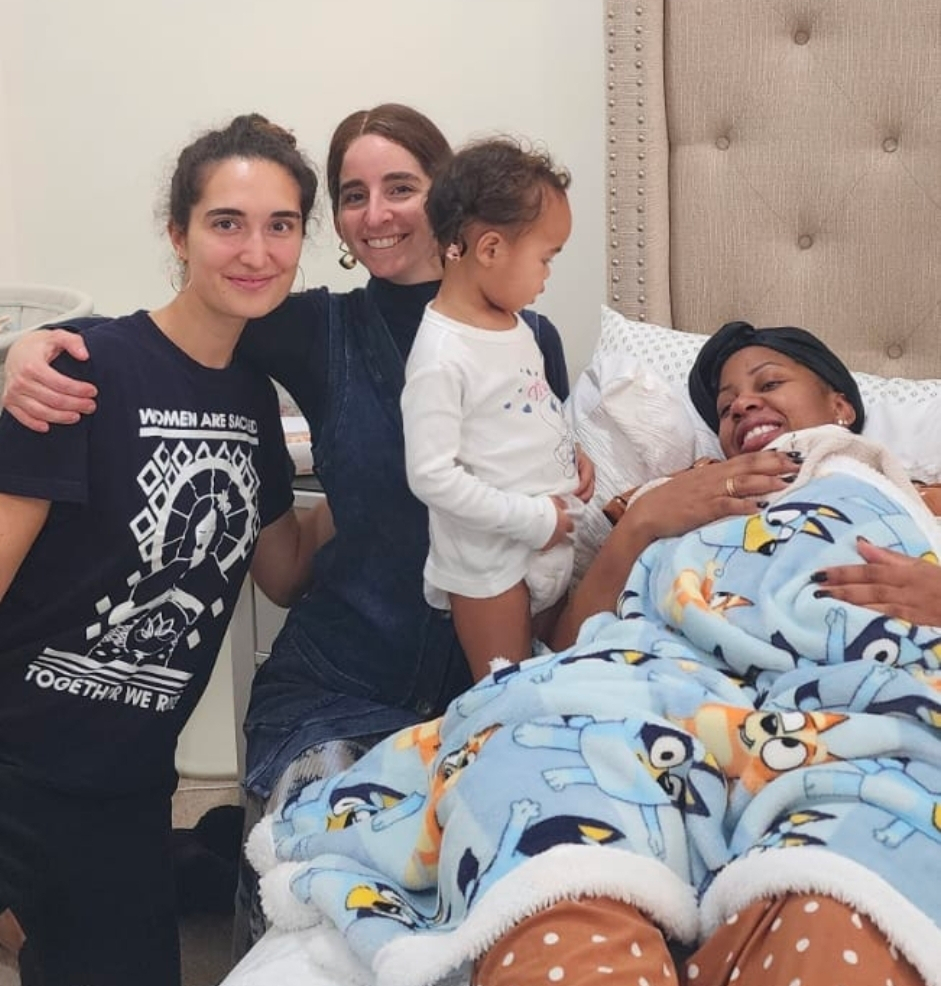
The support of both a doula and a midwife can create the perfect balance for your birth experience. While a midwife focuses on your clinical needs and ensures a safe delivery, a doula provides unwavering emotional support, comfort, and advocacy throughout the entire process. Together, they form a powerful team that ensures you feel cared for both physically and emotionally during labor and delivery.
Benefits of Having Both:
At Birthing Center NYC, you have the option to work with a licensed midwife and consider adding a birth doula for extra support. Whether you're planning a home birth or a birth in our supportive center, a midwife and doula can make your experience feel empowered, calm, and personalized. That's why many families choose both, for the best of both worlds.
What to Ask When Hiring a Doula or Midwife
Hiring a doula or midwife is a big decision, and the right fit can make a huge difference in your birthing experience. To ensure you find the best care provider, here are some key questions to ask when you're interviewing potential professionals.
Questions to Ask a Doula:
Questions to Ask a Midwife:
After the interview, take a moment to reflect on how comfortable you feel with each person's style. If you're ready to learn more about how a doula or midwife can help guide your birth journey, we're here to help. Feel free to reach out and ask us any questions; we'd love to help you find the support that's perfect for you!
Cost, Insurance & Practical Considerations
When hiring a doula or midwife, understanding the cost and insurance coverage is essential to your planning. Doula services typically aren't covered by insurance and are often paid out of pocket. Some states may allow Medicaid to cover part of the cost. Research shows that about 49.7% of doula services are self-pay, as most doula services do not receive third-party reimbursement. On the other hand, midwife care may be covered under maternity care, depending on your insurance plan.
Practical Considerations:
At Birthing Center NYC, you can work with a licensed midwife and consider adding a birth doula for extra support. Whether you're planning a birth center delivery or exploring the added benefits of both a midwife and doula, we are here to ensure your experience is empowering and personalized.

How This Fits with a Natural Birth Center Model
At Birthing Center NYC, the focus is on providing a natural birth experience with the care of midwives. A midwife is central to the process, offering expert medical support and ensuring a safe, low-intervention birth. A doula enhances this experience by offering continuous emotional support, comfort, and advocacy, especially for those choosing a waterbirth or seeking a more gentle labor. This combination creates a calm and supportive environment for birthing people, ensuring both physical and emotional well-being.
Services We Offer:
FAQ: Your Frequently Asked Questions
Do I need a doula if I already have a midwife?
Even with a midwife, a doula can help by offering emotional and physical support. While your midwife provides medical care, a doula ensures you feel comfortable, informed, and empowered throughout your pregnancy and childbirth.
Will my insurance cover a doula?
Insurance coverage for a doula can vary. While most plans don't cover doula services, some states or health plans might reimburse a portion of the cost. It's definitely worth checking with your provider to see if they offer coverage or any alternative options for doula care.
What happens if I hire a doula but end up needing a hospital transfer?
Even if you need a hospital transfer, a doula support can still be incredibly helpful. They will remain with you through the process, providing emotional support and helping navigate the transition, ensuring that your birth experience stays as calm and supportive as possible.
Can a midwife perform in‑hospital births or just birth center/home births?
Yes, a midwife may attend births in a hospital, a birth center, or at home, depending on the type of birth you are planning. Some certified professional midwives work alongside OB-GYNs in hospital settings for medical intervention if needed.
What if I change my mind about hiring a doula or midwife later in pregnancy?
If you decide to hire a doula or midwife later in pregnancy and childbirth, it's still possible. Doula training and midwife care are flexible, and most professionals can accommodate new clients with proper notice. Just ensure you find a doula or midwife who aligns with your needs.
Start the Miraculous Journey of Childbirth with the Right Support
Bringing a new life into the world is one of the most beautiful, powerful, and transformative experiences you'll ever have. At Birthing Center NYC, we are here to walk beside you every step of the way, offering the support, comfort, and care you deserve. Whether you choose the nurturing presence of a midwife, the emotional support of a doula, or both, we're dedicated to creating an experience that feels personal, safe, and empowering.
You deserve a birth experience that feels right for you. Take the first step toward the birth you've always dreamed of. Contact us today to learn how we can help you bring your vision to life- supported, strong, and surrounded by care.
Doula vs Midwife: What's the Difference and Which Is Right for You?

Questions? We're Here to Help!
Give us a call and speak with our knowledgeable staff.