

Definition of Doula: What a Birth Doula Is (and Isn't) — A Simple Guide for NYC Families
A doula provides emotional strength and practical help through pregnancy, birth, and early recovery.

Behind the simple definition of doula lies a powerful truth: no woman should go through childbirth without trusted support. More than just a word, a doula could be the gentle, reassuring presence you need when preparing to give birth.
Whether you're learning about the role of a birth doula, considering childbirth education, or curious about how a postpartum doula may assist after delivery, knowing how a doula can help can make your journey far less intimidating.
In this blog, we'll explore what a doula is, the benefits of having a doula, and why more pregnant people are choosing to hire a doula as part of their birth team. This guide will show how doula care may be the supportive bridge between medical expertise and personal comfort.
The Definition of Doula
A doula is a person trained to give continuous emotional support, physical comfort, and practical guidance before, during, and shortly after childbirth. A birth doula supports women as they prepare to give birth, while a postpartum doula continues that care during the early weeks of the postpartum period.
Unlike doctors or midwives, a doula isn't a medical provider. That means a doula could not perform clinical tasks, give medical advice, or replace the role of midwifery care. Instead, doulas provide the kind of physical and emotional support that helps pregnant women feel more comfortable, confident, and informed. While medical professionals focus on labor and delivery, doula services focus on your comfort — breathing techniques, position changes, reassurance, and clear information.
What Is a Birth Doula?
A birth doula is a person who stays by your side during pregnancy and childbirth, offering emotional support, physical comfort, and practical guidance every step of the way. A doula can help with breathing techniques, position changes, massage, and encouragement while also providing advocacy and clear information so you can make informed choices during labor and delivery. Unlike your medical team, a doula can provide continuous presence focused on your comfort and confidence, ensuring a more positive childbirth experience.
What a Birth Doula Actually Does
Preparing for pregnancy and childbirth can feel overwhelming, but having the right support makes a big difference. A doula can support you at every stage — before labor begins, throughout the intensity of labor, postpartum, and even in the moments just after you give birth. Here's how doulas assist at each step:
Before Birth: Planning and Preparation
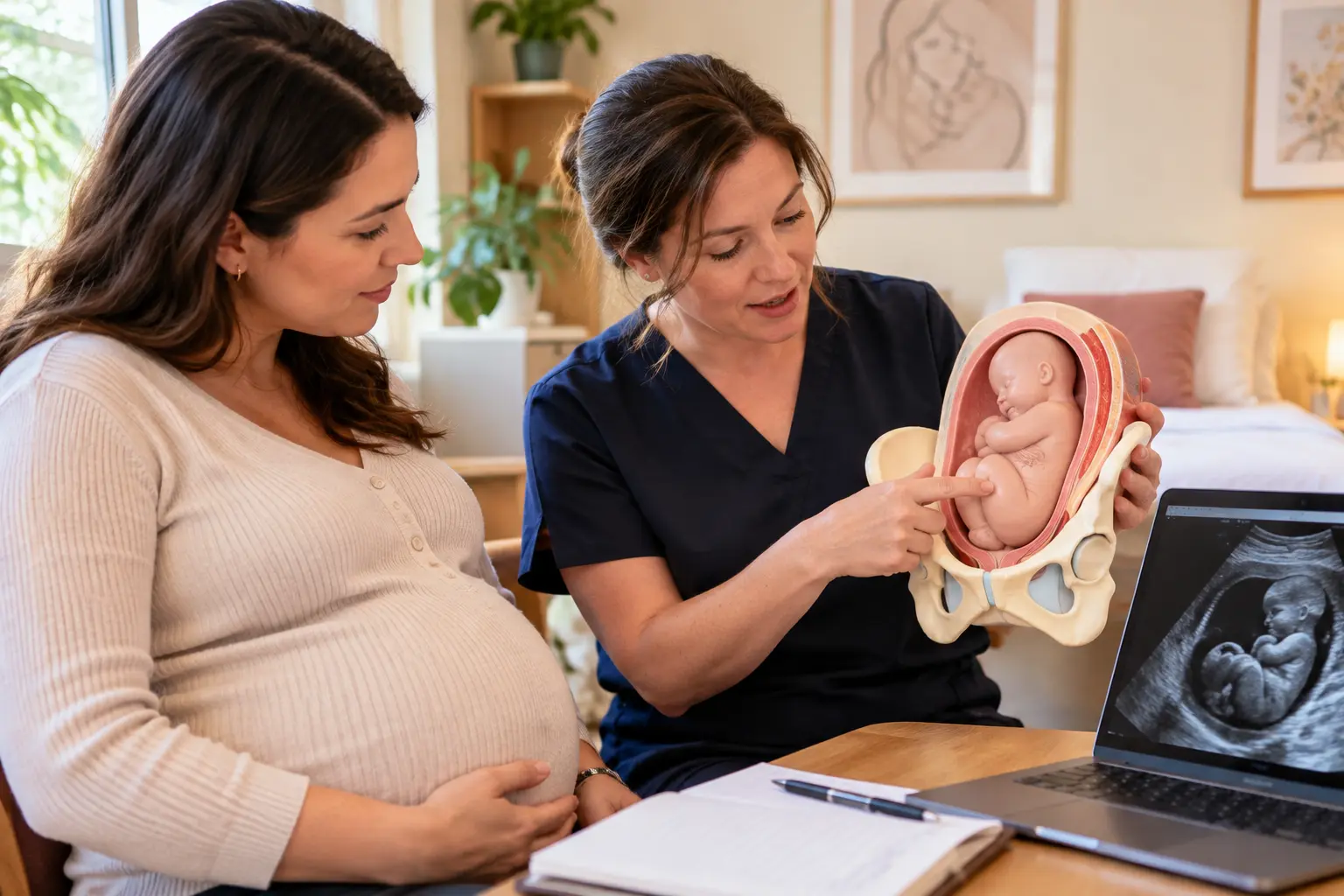
A doula helps you create a personalized birth plan, share valuable doula education, and walk you through coping strategies that can make you more comfortable as labor approaches. This type of support during pregnancy empowers you to make informed choices and sets the stage for a positive birth experience.
During Labor: Continuous Presence and Comfort
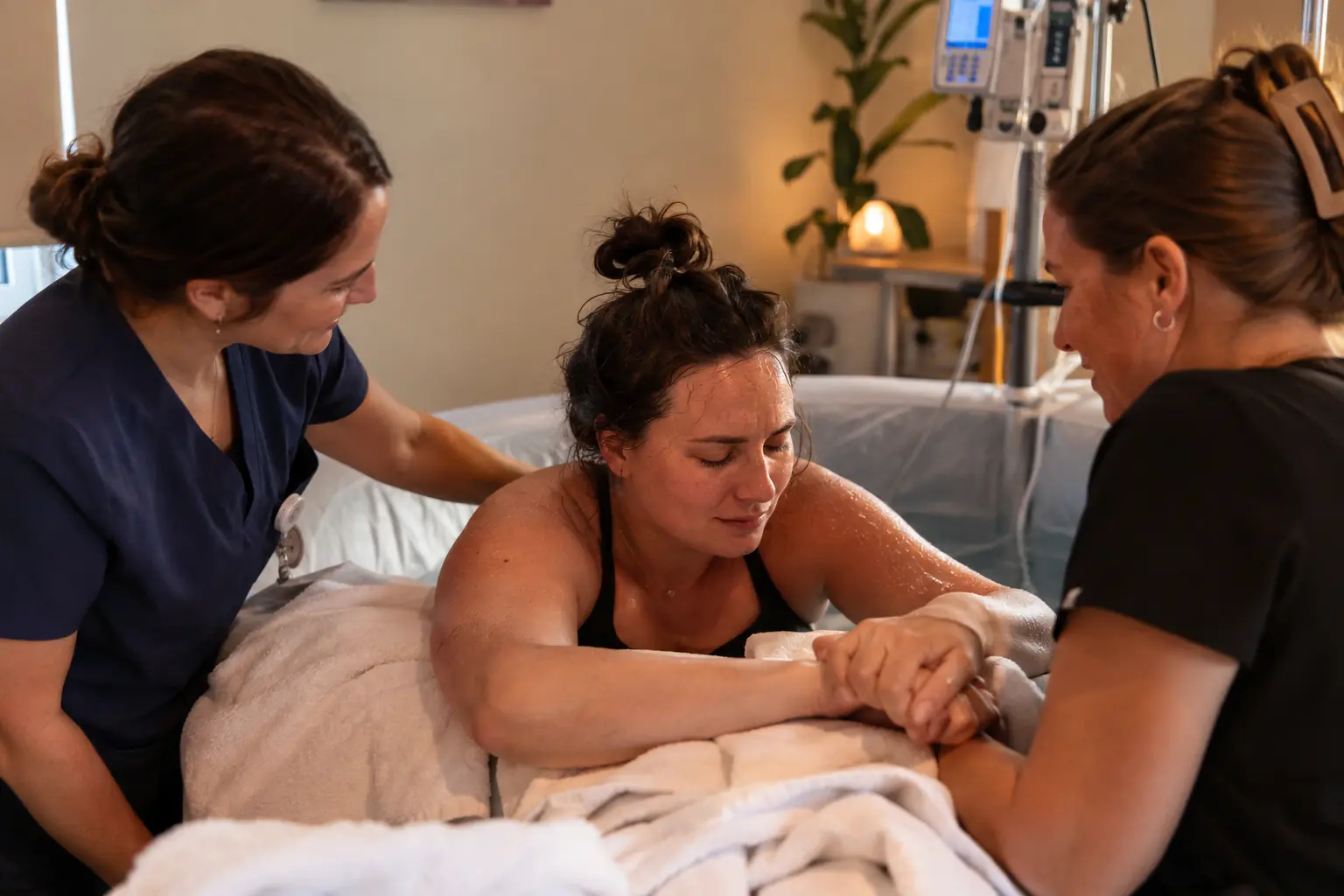
Unlike rotating medical staff, doulas also remain with you from the first contraction until delivery. A doula may be a good resource for breathing techniques, movement, massage, and comfort positions.
Some doulas offer water therapy or simply provide reassurance and encouragement when you need it most. Importantly, they also give support from a doula to your partner, helping them feel confident and involved, while ensuring smooth communication with your medical team.
After Birth: Immediate Postpartum Care
In the hours shortly after childbirth, a doula may also assist with early feeding and lactation support, answer questions, and provide referrals to other resources if needed. This continuity of care improves health outcomes, helps you process your experience through a gentle debrief, and sets a supportive tone for your postpartum experience in the first few weeks or months.

What Doulas Don't Do
While a doula provides support during pregnancy and throughout labor and postpartum, it's important to understand their limits. A doula may guide, comfort, and encourage, but their role is not medical. Unlike a midwife or OB, doulas assist with continuity, reassurance, and communication, while medical providers handle exams, monitoring, and clinical care. Knowing what doulas don't do helps families make informed choices and see how doula services fit as part of a balanced birth team.
Types of Doulas
The role of a doula can look different depending on when you need support. A doula walks alongside families through pregnancy and childbirth, but their care may extend well beyond delivery. A birth coach (birth or labor doula) focuses on providing physical and emotional support during labor, while a postpartum doula assists in the first few weeks or months after the baby arrives.
Some families also choose full-spectrum doulas, who cover additional transitions beyond birth, but here we'll focus on the two most common types.
Why Continuous Support Matters for the Pregnant Mother and the Baby
Research continues to show that doulas improve important outcomes in pregnancy and childbirth. Continuous support during labor has been linked to more spontaneous vaginal births, shorter labor, reduced use of cesarean sections, and less reliance on pain medications. Mothers also reported higher satisfaction, and importantly, no harms were identified from receiving this type of doula care.
The American College of Obstetricians and Gynecologists (ACOG) has also recognized these benefits. Their findings highlight that one-to-one support from a doula or other non-medical person leads to shorter average labor times (mean labor reduced by 0.69 hours) and an increased likelihood of vaginal delivery (relative rate of spontaneous vaginal birth 1.08). These results show how a doula can improve both comfort and outcomes during labor and delivery.
The World Health Organization (WHO) goes further by recommending that all women have a companion of their choice throughout childbirth. This companion could be a doula, a partner, or another trusted support person. Having such continuous care is now recognized as an important part of improving global health outcomes for women and babies.
Taken together, these studies confirm that doulas assist by offering consistent presence, reassurance, and physical comfort, which not only makes mothers more comfortable but also contributes to measurable improvements in the childbirth experience.
Quick Stats to Know
How Doulas Work with Midwives in a Birth Center
A doula works with a midwife who manages the clinical side of care—exams, monitoring, and medical decisions—while a birth doula or postpartum doula complements that care by focusing on comfort, advocacy, and communication. This teamwork ensures families feel supported while they prepare to give birth and beyond.
At Holistic Birthing Center NYC, we take this collaboration further. We offer more than just doula services. We provide a compassionate partnership that supports you through every stage of labor and postpartum. Each family receives personalized care because your birth is as unique as you are. Within our nurturing, spa-like space, you can relax, find peace, and welcome your baby with confidence.
Choosing a Doula: Training, Fit, and Questions to Ask
Finding the right doula is a person who feels like the right fit for your family is just as important as credentials. A well-trained birth doula or postpartum doula can transform your childbirth experience by offering emotional support and physical comfort through every stage of pregnancy and childbirth.
For next steps, explore our tour option or join our Childbirth Education classes to see how doula services can improve your childbirth experience.

FAQs
Are doulas only for unmedicated births?
No. A doula can help with any birth plan, including those with epidurals or planned cesareans. Their focus is on emotional support and physical comfort, making the experience smoother regardless of medical choices.
Can a doula attend a planned cesarean?
Yes, many doulas attend planned cesareans, though it depends on hospital policy. They provide preparation, advocacy in the operating room where allowed, and early postpartum support afterward.
Is a doula the same as a baby nurse or night nurse?
No. They are not the same. A doula focuses on emotional and physical support for parents. Baby nurses, by contrast, provide hands-on infant care, feeding, and overnight assistance.
Do virtual/phone doulas help?
Yes, remote doulas can guide coping strategies, support partners, and help families feel more confident. It's important to confirm what your hospital or birthing center allows in terms of virtual presence.
How early should I book a doula?
Most families find a doula during the second trimester to build rapport and plan together. Early booking is often recommended by major organizations like DONA International to ensure availability.
Final Words
Doulas are not medical providers, but they play a vital role in pregnancy and childbirth by offering emotional support, physical comfort, and clear communication throughout labor and the postpartum experience. Research from Cochrane, ACOG, and WHO shows that having a doula can reduce interventions, shorten labor, and improve satisfaction with birth.
At Holistic Birthing Center NYC, we go beyond traditional doula services by creating a peaceful, nurturing environment where families can improve their childbirth experience. From childbirth education and water births to continuous doula support, we are here to make your vision for birth a reality.
Your birth experience should be safe, calm, and empowering. Contact us at (646) 907-5515.
Definition of Doula: What a Birth Doula Is (and Isn't) — A Simple Guide for NYC Families

Questions? We're Here to Help!
Give us a call and speak with our knowledgeable staff.