

Are Water Births Safe? What the Evidence Says and How We Keep You Safe in NYC
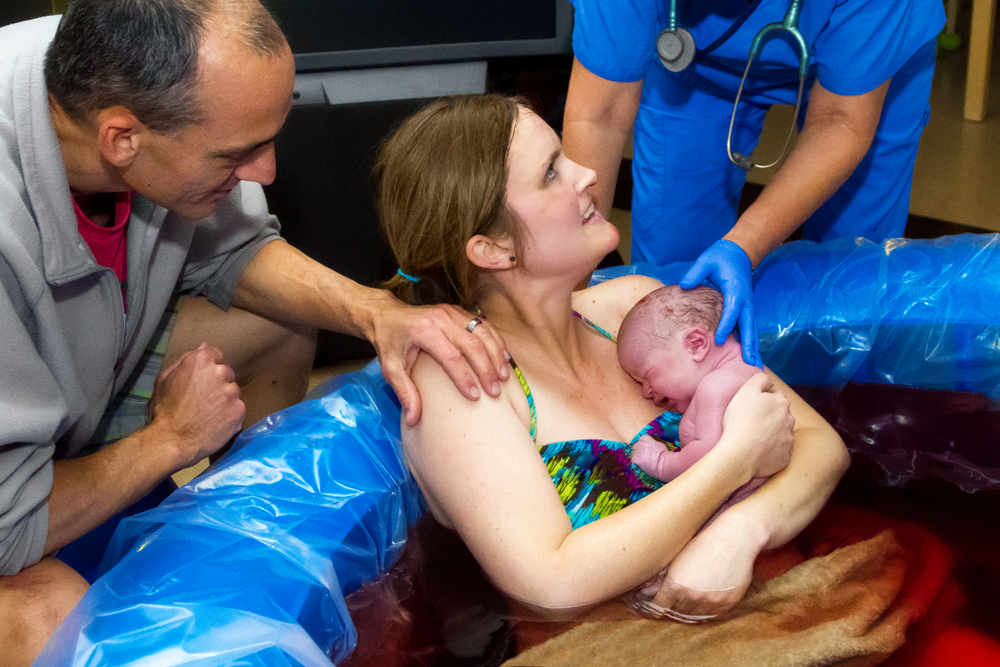
Many expectant parents are drawn to the idea of water births for their calming, natural approach to labor; however, they always have this concern: are water births safe? While laboring in water is generally considered safe for healthy, uncomplicated pregnancies, delivering in water is a more nuanced decision. It requires careful evaluation of individual circumstances.
At Holistic Birthing Center NYC, we believe in providing our clients with thorough, personalized care. And with that in mind, in this article, we'll break down the benefits, the concerns that have been raised, and the safety protocols that ensure water births remain a safe and empowering option for those who choose it.
What Do We Mean by "Water Birth"?
A water birth refers to a birthing method where the mother is submerged in water during labor and delivery. While laboring in water is quite common, giving birth in water is a distinct process where the baby is born while still in the water. Some birthing centers, like Holistic Birthing Center NYC, offer water birth as part of their natural birth options, providing a birth pool designed to enhance comfort and relaxation.
During the first stage of labor, immersion in warm water helps with pain relief, reduces stress, and promotes relaxation. However, giving birth in water (the second stage) is a choice that requires careful evaluation of your individual circumstances.
For most healthy, uncomplicated pregnancies, water birth is not associated with more complications, though the decision should always be made with guidance from qualified midwives or obstetricians. Whether at a birth center or at home, preparing for water immersion during labor means paying attention to water temperature and environment for an optimal birth experience.
Water Birth Statistics: What the Data Shows
Research shows that water births come with both advantages and considerations, and understanding both is essential when planning your birth method. Here's what the data reveals:
Comparative Table: Water Births vs. Land Births
Water births offer many benefits, like lower rates of tears and postpartum bleeding. Umbilical cord avulsion occurs slightly more often, though it remains a safe option for many women when done in the right setting.
All the Benefits of Water Birth
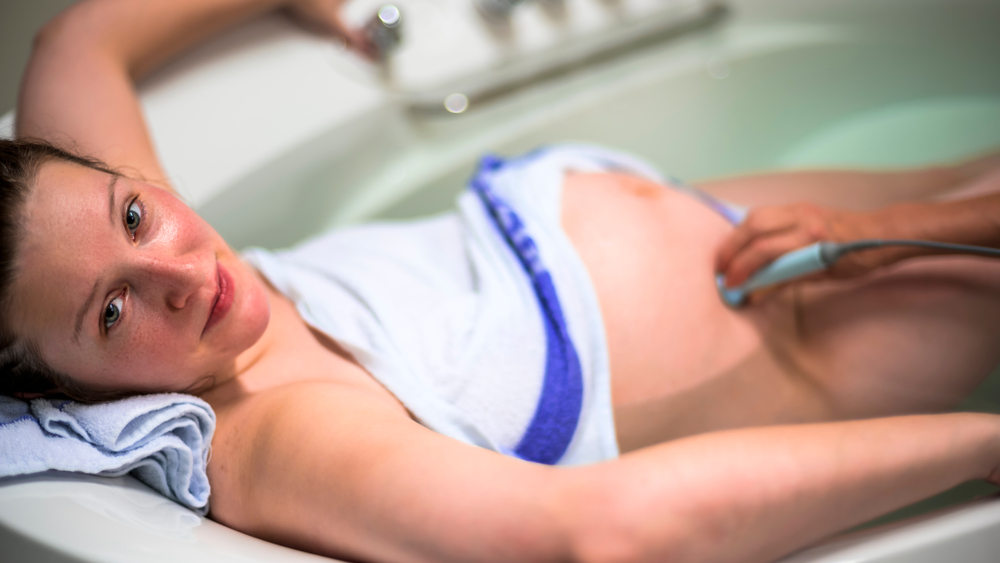
Water birth offers many advantages for both mother and baby, creating a calming environment that supports the natural process of labor. Here are some key benefits:
The benefits of water birth go beyond pain relief. From helping the mother stay relaxed to providing increased mobility and a comfortable environment for labor, water birth is an option many families choose for a natural, empowering birth experience.
Are Water Births Safe, or Dangerous?
Water birth has become an increasingly popular option for those seeking a more natural, comfortable birthing experience. But is it safe? Let's break it down by exploring what reputable medical organizations and recent studies say about water birth and its safety.
What ACOG and AAP Say About Safety
The American College of Obstetricians and Gynecologists (ACOG) and the American Academy of Pediatrics (AAP) offer some guidance on immersion in water during labor.
What Midwifery Organizations and Recent Reviews Say
Putting It Together for Families
When deciding whether to give birth in the water, it's important to weigh the advantages against the concerns for a healthy, uncomplicated pregnancy. For many, the warmth of the water provides comfort and pain relief, making water birth a safe option. However, it is essential to follow safety guidelines and have a trained professional overseeing the process.
Is a Water Birth Easier?
A water birth can feel easier for some, but this depends on the individual and the stage of labor. The warmth of the water can help reduce pain, and the ability to move freely in the water often makes labor more manageable. Many find the comfort of the tub of warm water offers significant pain relief and reduces the need for medication.
However, "easier" is subjective. Some women may find immersion during labor incredibly soothing, while others may prefer a traditional birth on land. If complications arise, leaving the tub may be recommended to ensure a safe delivery.
Who Is a Good Candidate?
A water birth works best for healthy, uncomplicated pregnancies. Ideal candidates include:
However, water birth might not be recommended if:
How We Keep Water Births Safe at Holistic Birthing Center NYC
At Holistic Birthing Center NYC, we are deeply committed to ensuring that your water birth is as safe, comfortable, and empowering as possible. We take every precaution to create a peaceful and supportive environment for you and your baby. For more details about our water birth services, visit our Water Birth page.
At Holistic Birthing Center NYC, we believe water birth can be a wonderful, safe option for many families. You can trust that we'll be there with you, supporting and guiding you through your beautiful birth experience.
Frequently Asked Questions
Is water birth safe for first-time mothers?
Yes, water birth can be a safe and beneficial option for first-time mothers with a healthy, uncomplicated pregnancy. Many women find that the warm water helps with pain management and relaxation, making the experience smoother.
Can I have a water birth if I plan to use an epidural?
No, water birth and epidurals don't typically work together. The epidural reduces movement, and the water can interfere with its effectiveness. We recommend discussing pain relief options with your provider to find the best fit for your birth plan.
What happens if something goes wrong during a water birth?
If any complications arise, we are fully equipped to transition to births out of water. Our experienced team follows clear safety protocols to ensure the health of both mother and baby.
Embark on the Beautiful Journey with Holistic Birthing Center NYC
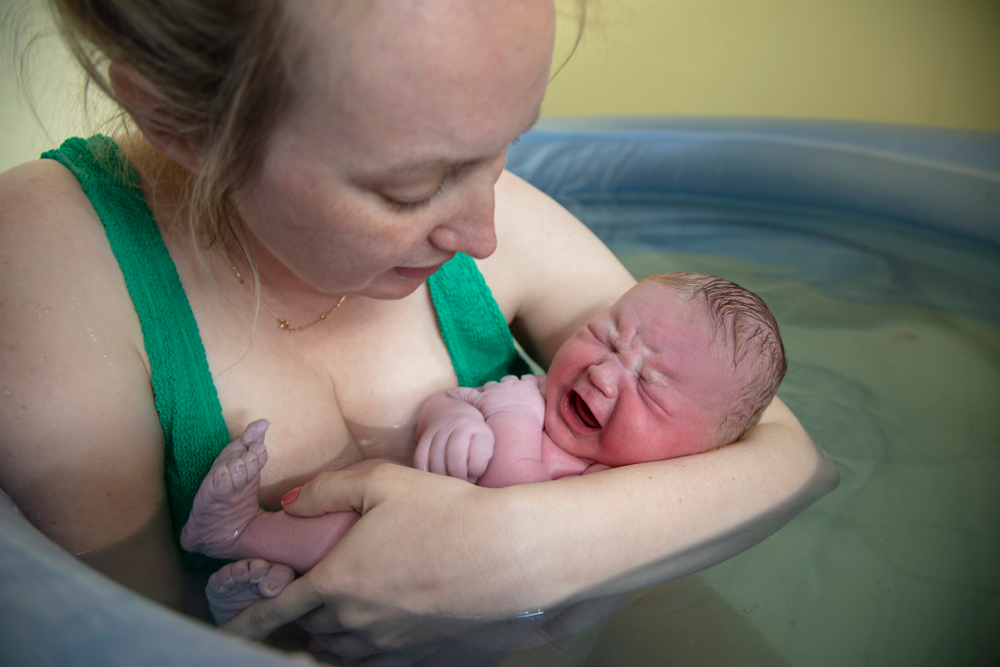
Water birth can be a safe option for many healthy, uncomplicated pregnancies when proper protocols and experienced care are in place. At Holistic Birthing Center NYC, we prioritize your safety, comfort, and the well-being of your baby every step of the way. Whether you're considering a water birth at home or in our center, we are here to support your unique birth journey.
If you're thinking about water birth, we invite you to schedule a tour or book a consultation with our experienced team. Let us help you explore all the potential benefits of water births and how we can make your birth experience a peaceful and empowering one.
We're here to support you in making the best choice for your birth plan!
Are Water Births Safe? What the Evidence Says and How We Keep You Safe in NYC



Questions? We're Here to Help!
Give us a call and speak with our knowledgeable staff.